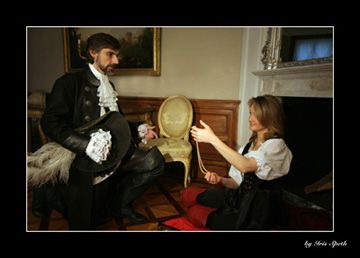
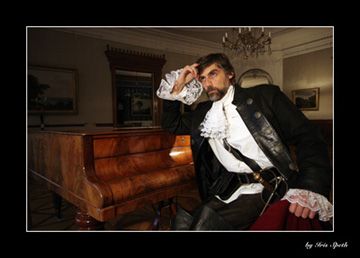
Baroque
The Renaissance was followed by an era defined by splendour and magnificence in art, fashion, and architecture — and, for the better-off classes, in their whole way of life as well. The Baroque period is generally dated between 1575 and 1770. Palaces were built, castles lost their military role, and parks and gardens became hallmarks of an age shaped on one hand by the Catholic Counter-Reformation (with the appalling business of witch persecution) and on the other by the worldly ambitions of princes. In between lived the common people, essentially as bystanders — and often as victims.
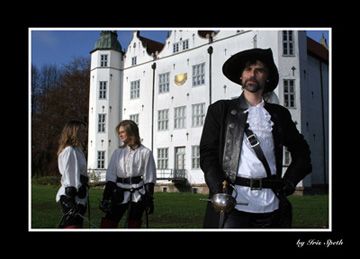
Theatre, art, fashion, music, entertainment, and festivities were all part of everyday life for the upper classes; for ordinary people, aside from the technical and scientific advances of the age, life probably differed only a little from the Middle Ages.
The palaces and parks that still stand today provide a magnificent backdrop for Baroque festivals and let us feel the flair of that era. The Baroque is the age of the musketeers — hardened soldiers who know how to enjoy life and celebrate the festivities of "society," yet remain proud and loyal in the king's service. They are always ready for adventure and never miss a chance to play a trick on the scheming cardinal.