Fencing
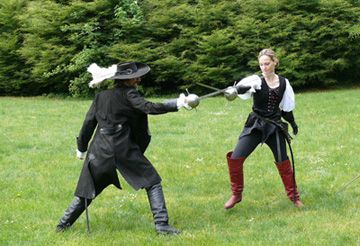
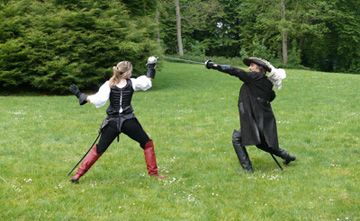
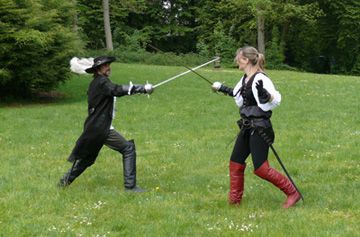
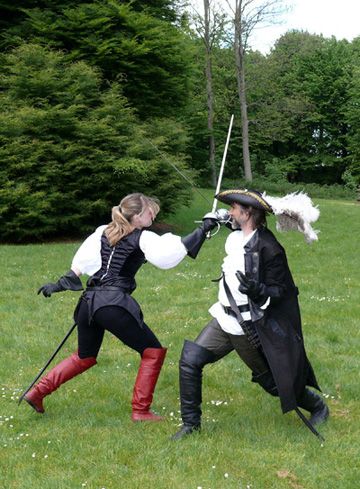
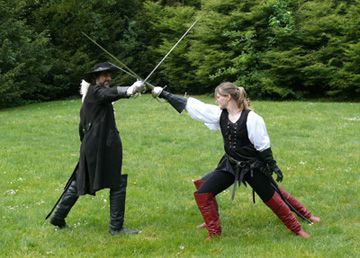
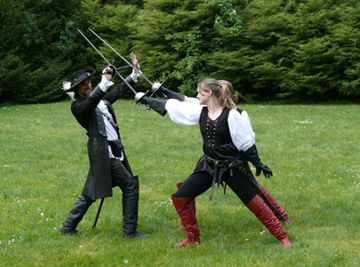
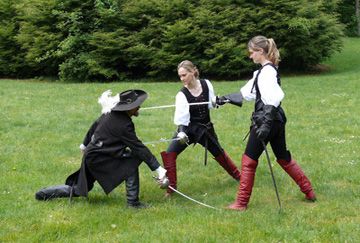
While competitive fencing keeps the use of the blade strictly within fixed rules to score hits in a bout, stage fencing draws on the historical martial art. Handling a rapier demands physical control, concentration, and a strong sense of responsibility. But it is also a source of composure and self-confidence. Even today, it gives us the best possible grounding for holding our own in everyday conflicts.
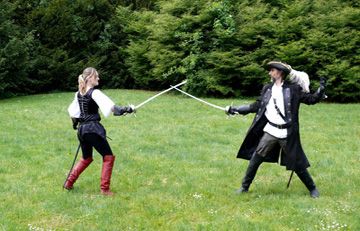
We trained as fencers with the well-known fencing master and Olympic fencer Tim Gerresheim, one of the few certified stage-fencing masters. After more than three years of training, he still generously offers us his advice and lessons.
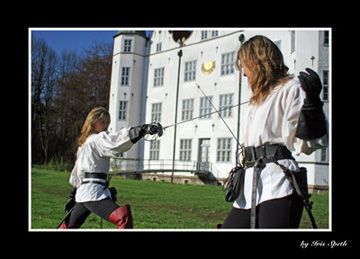

Various nations lay claim to inventing the art of fencing, not entirely fairly: France, Spain, and Italy among them. The oldest known fencing manual, however, is manuscript I.33, preserved at the Tower of London museum and dating from around 1300. It was written in Latin, most likely by a monk. Since then, fencing technique has evolved alongside the weapons themselves, and regional differences can be traced as well. For lack of fencing masters of their own, the French relied for a long time on German masters; a native French school of fencing only developed much later.